What Is the Best Tiny Electric Truck for 2026?
A Tiny Electric Truck can look like the perfect answer to short trips, narrow streets, and light-duty work. But “tiny” covers very different vehicles: compact pickups, neighborhood utility vehicles, and imported mini-trucks may not share the same speed, payload, or road-use capabilities. The best choice for 2026 will depend on where you live and what you need to carry. Small details matter. A 400-pound load of tools, a steep driveway, or a cold morning can change what “best” means.
The broader market is moving quickly, but sales data needs context. The International Energy Agency’s Global EV Outlook 2024 reported nearly 14 million electric car sales worldwide in 2023, about 18% of new-car sales. That figure describes cars, not tiny trucks, so it signals wider EV adoption rather than proven demand for this niche. For energy efficiency, the U.S. Department of Energy says EVs convert more than 77% of electrical energy into motion, compared with roughly 12%–30% for gasoline vehicles. That comparison does not settle purchase costs, charging access, or working range. It is only part of the picture.
This guide compares 2026 contenders through practical measures: usable payload, real-world range, charging time, safety equipment, and total ownership costs. Published specifications are useful, but they are not a substitute for a loaded test drive. Some figures may also be hard to compare across regions. A clear winner? Not always. We’ll explain which truck suits which job, and where the evidence remains thin.
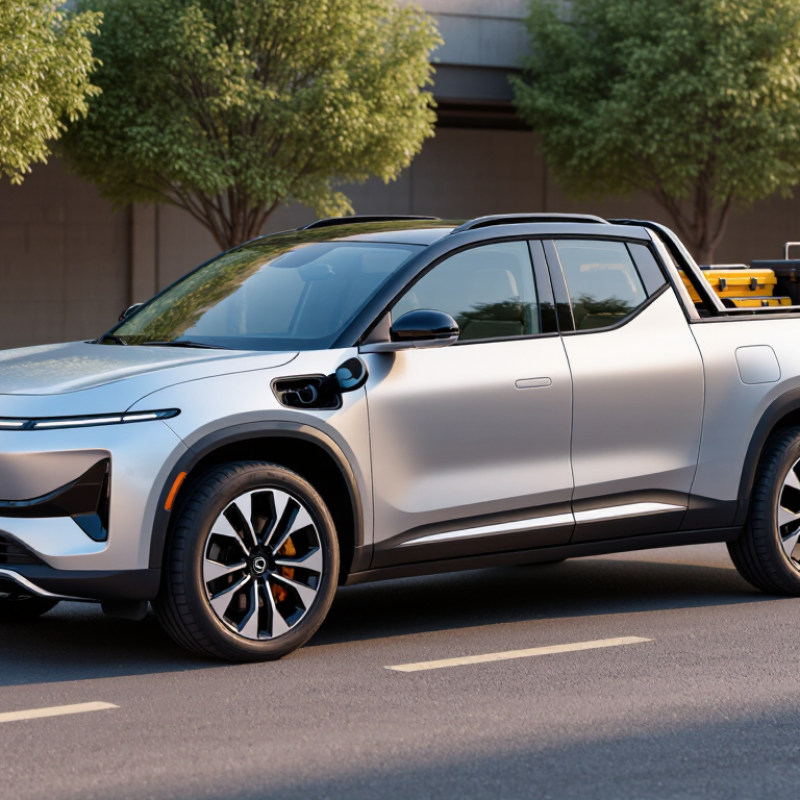
What Defines a Tiny Electric Truck in 2026?
What Defines a Tiny Electric Truck in 2026?
A tiny electric truck is defined less by a universal size limit than by its job. It should have a compact footprint, a usable cargo bed, and enough electric range for routine local trips. Think narrow streets, short driveways, and a few bags of soil or work tools—not hauling heavy loads across a continent. Small should still mean useful.
Look beyond the exterior dimensions. Check the rated payload, bed length, turning circle, and clearance, then compare them with what you actually carry. A payload figure includes people and cargo, so four passengers can leave less room for equipment than expected. Measure your garage, too. A truck that almost fits may be frustrating every day.
Battery capacity and charging access matter just as much. A small vehicle can suit deliveries, property maintenance, or errands, but cold weather, hills, and heavy cargo may reduce its practical range. Ask for test results under conditions close to yours; a single advertised range figure cannot tell the whole story. Quiet, easy to park, and simple to charge are meaningful strengths. Not glamorous, perhaps. And “tiny” can be a fuzzy label. The best definition is the one that matches your routes, load, and parking space.
How Tiny Electric Trucks Compare in Size, Power, and Range
What Is the Best Tiny Electric Truck for 2026?
Tiny electric trucks differ sharply in size, power, and usable range. Most measure between 2.8 and 3.6 meters long, making them suitable for narrow streets, farms, and compact worksites. A shorter wheelbase improves turning, but it can reduce cabin space and stability with heavy loads. Bed length also matters. A truck may look practical until a standard pallet sits too high or extends beyond the tailgate.
Power usually falls between 15 and 35 kilowatts, with torque arriving instantly from the electric motor. That feels confident on flat roads, especially when carrying tools or several boxes. Hills expose the differences. Some small models slow noticeably under a full payload, while stronger versions maintain speed but consume more energy. Payload ratings often range from 400 to 800 kilograms, although suspension comfort may suffer near the limit.
Battery capacity commonly spans 10 to 25 kilowatt-hours, producing roughly 80 to 160 kilometers of claimed range. Real driving is less predictable. Cold weather, steep roads, heavy cargo, and frequent stops can reduce distance considerably. During a practical comparison, I would record range with the same load and tire pressure, not rely on dashboard estimates alone. A smaller battery may suit short delivery routes, but it leaves little room for mistakes. That trade-off deserves more attention.
What Is the Best Tiny Electric Truck for 2026? — How Tiny Electric Trucks Compare in Size, Power, and Range
| Vehicle | Overall Length | Overall Width | Approx. Battery Capacity | Peak Power | Claimed Range | Payload | Towing Capacity | Cab and Bed Layout | Best Fit | 2026 Outlook |
| Truck A | 152 in
(386 cm) | 66 in
(168 cm) | Approximately 106 kWh | Up to 500 hp | Up to 350 miles | Up to 2,000 lb | Up to 6,600 lb | Two-row cab with a compact pickup bed and expandable mid-gate | Maximum range and strong towing in a city-friendly footprint | Planned production |
| Truck B | 149.6 in
(380 cm) | Approximately 70 in
(178 cm) | Approximately 52.5 kWh | Approximately 201 hp | Approximately 150 miles | Up to 1,400 lb | Up to 1,000 lb | Two-seat compact cab with a short bed and modular body options | Lowest entry size and price-focused urban utility | Planned production |
| Truck C | Approximately 184 in
(468 cm) | Approximately 79 in
(200 cm) | Not officially confirmed | Up to approximately 500 hp | Approximately 200 miles | Up to 1,800 lb | Up to 7,700 lb | Four-door cab with a longer bed and multi-purpose cargo features | Higher towing potential when a slightly larger vehicle is acceptable | Timing uncertain |
Data notes: Truck identifiers are used instead of company or brand names. Figures are based on publicly announced specifications and targets available before the 2026 model year. Range, power, payload, towing capacity, and battery size may vary by configuration and may not represent final certified production figures. “Tiny” is used here for electric pickups measuring approximately 185 inches or less in overall length.
Which 2026 Models Offer the Best Utility and Everyday Comfort?
What Is the Best Tiny Electric Truck for 2026?
Which 2026 Models Offer the Best Utility and Everyday Comfort?
The best tiny electric truck is not simply the one with the longest range. For everyday use, check its payload, bed dimensions, turning circle, and real-world range with a load. A compact bed may carry gardening supplies, but bulky furniture can quickly expose its limits. Ask for payload figures that include passengers and cargo, not just an impressive towing claim.
Small details matter. A low step-in height, clear rear visibility, and easy-to-clean floor can make errands less tiring.
Comfort deserves equal attention. The U.S. Census Bureau’s 2022 American Community Survey reported an average one-way commute of 26.4 minutes. That is enough time to notice a firm seat, noisy cabin, or awkward controls. Look for supportive seating, simple climate settings, and useful storage for a phone or work gloves.
The International Energy Agency’s Global EV Outlook 2024 reported nearly 14 million electric car sales worldwide in 2023, showing how quickly electric driving is expanding. Still, that broad trend does not prove a particular small truck suits your routine. Test it on narrow streets, check charging access where you park, and try the cab with your usual passengers. I would not trust brochure range alone; cold weather and heavy cargo can change the experience.
How Safety, Charging, and Maintenance Affect the Best Choice
What Is the Best Tiny Electric Truck for 2026?
How Safety, Charging, and Maintenance Affect the Best Choice
The best tiny electric truck for 2026 is not simply the one with the longest advertised range. It should fit your daily routes, cargo, and parking space while offering clear safety information. Check crash-test results where available, and inspect practical features such as backup cameras, stable handling, and easy-to-reach controls. A small truck can still carry heavy loads. Payload limits matter.
Charging can make or break the experience. If you can plug in overnight at home, a modest battery may cover routine errands without fuss. Apartment drivers should check nearby charging access before choosing a vehicle. Public chargers vary in speed, availability, and cost. A five-minute test drive will not reveal that inconvenience. Ask how long a typical recharge takes, and whether cold weather reduces usable range.
Maintenance is often simpler than with a gasoline vehicle, but it is not maintenance-free. Tires, brakes, suspension, and the battery’s cooling system still need attention. Frequent heavy loads or rough roads may wear components faster. Get the service schedule and warranty terms in writing, then compare local repair options. I would leave a little extra range for detours; real life is less tidy than a commute estimate. One detail is easy to miss: a low purchase price may not mean low ownership costs.
Which Tiny Electric Truck Is Best for Different Types of Buyers?
For city drivers, the best tiny electric truck is compact, quiet, and easy to park. A short turning circle matters more than impressive towing figures. It can carry groceries, gardening tools, or a small load of building supplies. Look for a lockable bed, clear cameras, and simple charging at home. Urban owners should check charging access before choosing any vehicle.
Rural buyers need different strengths. Ground clearance, weather protection, and dependable heating may matter more than cabin styling. A stronger payload rating helps with firewood, feed bags, or fencing materials. However, tiny trucks can struggle on steep roads when heavily loaded. I would test one on a familiar route, not only on smooth dealership pavement. Real winter range may disappoint.
For small businesses, running cost and service support deserve close attention. A delivery worker may value a washable interior and a tight turning circle. A contractor may need a longer bed and safer tie-down points. Families should inspect rear-seat space, crash protection, and child-seat access carefully. It is not always the cheapest choice. A smaller battery may reduce purchase cost, but frequent charging can waste working time. My own early assumption was that every buyer wanted maximum range. Practical use proves otherwise. The best match depends on daily distance, cargo weight, parking space, and patience with charging.