Why Choose Solar Thermal Energy for Your Home Heating Needs
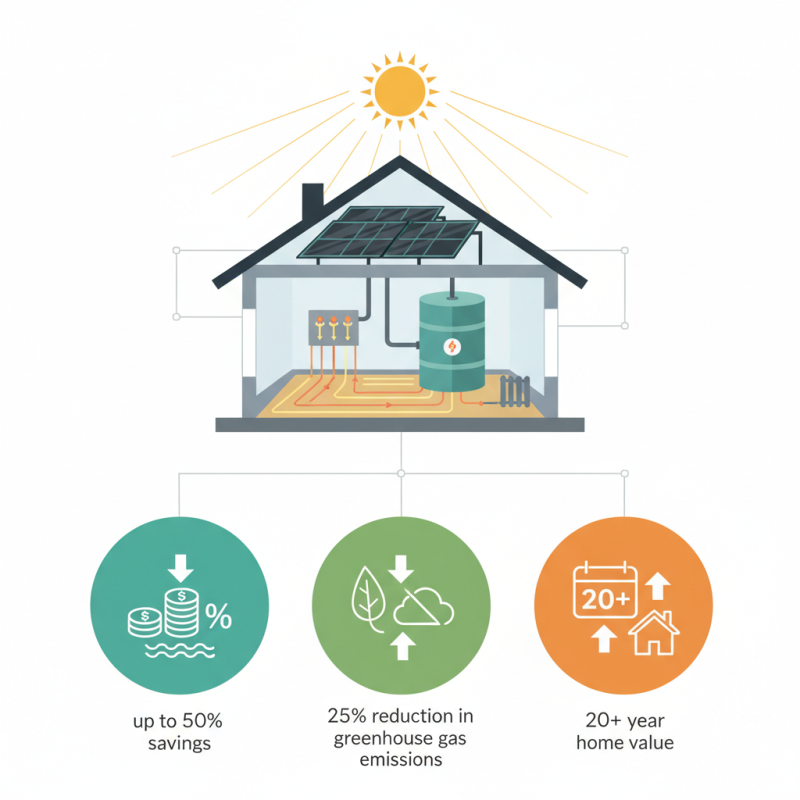
In recent years, the shift towards renewable energy sources has gained significant momentum, with household heating systems being at the forefront of this transition. One of the most compelling options available is solar thermal energy, which harnesses the sun's heat to provide efficient and sustainable heating solutions for homes. According to the International Renewable Energy Agency (IRENA), solar thermal systems can reduce domestic heating bills by up to 50%, making them a financially viable option for many homeowners.
With the increasing global emphasis on reducing carbon emissions, solar thermal energy aligns perfectly with the objectives of both homeowners and policymakers. A report from the National Renewable Energy Laboratory (NREL) highlights that widespread adoption of solar thermal technology could lead to a reduction of over 25% in greenhouse gas emissions from the residential heating sector by 2030. Moreover, solar thermal energy systems typically have a lifespan of 20 years or more, ensuring long-term benefits both financially and environmentally.
As the costs of solar technologies continue to decline, paired with government incentives and rebates, now is an opportune time for homeowners to consider solar thermal energy as a primary solution for their heating needs. By investing in such innovative systems, homeowners not only contribute to a sustainable future but also enhance the value and efficiency of their homes.
Benefits of Solar Thermal Energy for Home Heating Solutions
Solar thermal energy is becoming an increasingly popular choice for home heating solutions due to its numerous benefits. According to a report by the International Renewable Energy Agency (IRENA), solar thermal systems can reduce heating costs by up to 80%, providing substantial savings over time. Homeowners can take advantage of free energy from the sun, which significantly lowers their reliance on traditional heating fuels, helping to offset fluctuations in energy prices.
Additionally, solar thermal systems contribute to a reduction in carbon emissions. The U.S. Department of Energy (DOE) estimates that households utilizing solar thermal technologies can cut greenhouse gas emissions by approximately 2 to 3 tons per year. This shift not only benefits the environment but also enhances property value. Homes equipped with solar thermal systems often see an increase in marketability, appealing to eco-conscious buyers looking for sustainable solutions. With advances in technology and decreasing installation costs, solar thermal energy offers a compelling heating option that meets both economic and environmental goals.
Cost Savings and Return on Investment for Solar Thermal Systems
Solar thermal energy is becoming an increasingly popular choice for homeowners seeking efficient heating solutions. One of the most compelling reasons to consider solar thermal systems is the
significant cost savings they offer over time. By harnessing the sun's energy to heat water and air, these systems can drastically reduce your energy bills.
Although the initial installation cost might seem high, many homeowners find that the investment pays off within a few years due to the decreasing reliance on traditional energy sources.
When evaluating the return on investment for solar thermal systems, it’s essential to consider both federal and state incentives available for installation.
Tax credits and rebates can significantly lower upfront costs, making solar thermal a more attractive option. Moreover, solar thermal systems typically require less maintenance than traditional heating systems, which translates to
lower ongoing expenses and improved ROI.
Tip: To maximize your savings, consider coupling your solar thermal system with a smart thermostat. This integration can optimize your heating schedule, ensuring you only use energy when needed.
Additionally, keeping your solar thermal panels clean and well-maintained can enhance their efficiency, leading to greater savings over their lifespan.
Environmental Impact: Reducing Carbon Footprint with Solar Heating
Solar thermal energy is increasingly recognized for its ability to significantly reduce the carbon footprint associated with home heating. According to a report by the International Renewable Energy Agency (IRENA), heating and cooling account for nearly 50% of global energy consumption, with a substantial portion derived from fossil fuels. By harnessing solar thermal systems, homeowners can leverage a renewable source of energy that allows for a drastic cut in greenhouse gas emissions. Studies indicate that transitioning to solar thermal heating for residential use can lead to a reduction of approximately 50 to 70% in CO2 emissions compared to conventional heating methods.
Furthermore, the U.S. Department of Energy highlights that solar thermal systems can offset a significant amount of natural gas and electricity usage. For instance, a typical solar water heating system can save an average home around 3,000 kWh of electricity annually, which corresponds to a reduction of about 2,000 pounds of CO2 emissions each year. With the growing concern over climate change and environmental degradation, investing in solar thermal energy not only enhances energy independence but also promotes a sustainable future. This shift is crucial as communities worldwide strive to meet international climate agreements and goals, ultimately paving the way for a greener and more efficient energy landscape.
Efficiency Metrics: Comparing Solar Thermal to Traditional Heating Methods
When considering heating solutions for homes, efficiency is a crucial metric that often sets solar thermal energy apart from traditional heating methods. Traditional systems, which typically rely on fossil fuels or electricity, can incur high operational costs and exhibit varying levels of efficiency depending on the fuel source. For instance, natural gas heating systems generally convert around 80-95% of their energy into heat, while electric systems can achieve a similar performance. However, these solutions are heavily influenced by fluctuating fuel prices and environmental factors, leading to unpredictable long-term costs.
In contrast, solar thermal energy boasts an impressive efficiency rate, often exceeding 70% in converting sunlight into usable heat. This approach utilizes solar collectors to harness solar energy, which is a renewable resource, making it not only cost-effective in the long run but also environmentally friendly. Furthermore, the installation of solar thermal systems can significantly reduce reliance on conventional energy sources, contributing to a decrease in harmful emissions. With the added benefit of available incentives for renewable energy, homeowners may find that the initial investment in solar thermal technology pays off quickly through savings on heating bills and increased property value.
Efficiency Comparison: Solar Thermal vs Traditional Heating Methods
This chart compares the efficiency of solar thermal energy systems with traditional heating methods such as gas furnaces and electric heating. The efficiency percentage represents the amount of energy converted to usable heat.
Government Incentives and Rebates for Solar Thermal Installations
Investing in solar thermal energy for home heating not only contributes to a sustainable future but also comes with an array of government incentives and rebates designed to make the transition more affordable. According to the Solar Energy Industries Association (SEIA), homeowners can often save between 20-30% on installation costs through federal tax credits. These incentives significantly reduce the upfront investment, making solar thermal systems an increasingly attractive option.
In addition to federal incentives, many states and local governments offer their own rebates, which can vary widely. For example, in California, the state's Solar Initiative provides rebates that can further offset the cost. Homeowners should research their local programs, as these incentives can lead to substantial savings over time.
Tips: One effective strategy is to combine federal and state incentives with local utility programs, maximizing your financial support. Additionally, consult with certified solar installers to ensure you understand all available options and stay updated on any changes in legislation that can affect your savings. By taking advantage of these incentives, you not only enhance your home's energy efficiency but also contribute positively to environmental conservation.