10 Essential Tips for Successful Solar Projects You Need to Know
In recent years, solar projects have emerged as a pivotal solution in the global transition toward sustainable energy. According to the International Energy Agency (IEA), solar energy capacity has been increasing at a staggering rate, surpassing 817 gigawatts worldwide as of 2021, a remarkable growth fueled by technological advancements and declining costs. As governments and private entities alike commit to ambitious renewable energy targets, the importance of effective planning and execution of solar projects cannot be overstated.
Successfully navigating the complexities involved in solar project development is critical for maximizing return on investment and achieving environmental goals. A report from the U.S. Department of Energy underscores that integrating best practices can enhance efficiency by up to 30% in solar deployments. Consequently, understanding the essential tips for executing solar projects is vital for stakeholders ranging from investors to community planners, ensuring that solar initiatives contribute positively to both the economy and the environment. This article will delve into ten essential tips to help stakeholders ensure the success of their solar projects, paving the way for a sustainable energy future.
Understanding the Basics of Solar Energy and Technology
Solar energy is a clean and renewable resource that harnesses sunlight to generate electricity, making it an essential component in the transition towards sustainable living. Understanding solar technology begins with recognizing the two main types of solar energy systems: photovoltaic (PV) systems, which convert sunlight directly into electricity, and solar thermal systems, which capture heat from the sun for heating applications. Both systems offer unique advantages, such as reducing energy costs and minimizing dependence on fossil fuels, contributing to a greener planet.
When embarking on a solar project, it's vital to familiarize oneself with the basic components of these systems. A typical PV setup includes solar panels, inverters, batteries, and mounting structures. Solar panels, made of silicon cells, are the heart of the system, converting sunlight into direct current (DC). Inverters play a crucial role in converting this DC into alternating current (AC) for use in homes or businesses. Additionally, understanding how to assess your energy needs can greatly influence the efficiency and cost-effectiveness of your solar installation. By grasping these fundamentals, individuals and organizations can make informed decisions that enhance the success of their solar projects.
Solar Energy Project Efficiency Comparison
This chart illustrates the efficiency percentages of various types of solar energy projects. Understanding these metrics can help project managers and investors make informed decisions when planning solar installations.
Key Factors to Consider Before Launching a Solar Project
Before launching a solar project, it is imperative to assess the feasibility of various key factors that could impact the project's success. First and foremost, understanding the geographic location is crucial. Different regions receive varying amounts of sunlight and have distinct climatic conditions, which can significantly affect solar panel efficiency. Conducting a thorough site analysis, including solar irradiation data and weather patterns, will provide insights into optimal positioning and configuration of solar panels to maximize energy production.
Additionally, it's essential to evaluate the financial aspects of the project. This includes budgeting for initial installation costs and considering long-term savings on energy bills. Securing financing options and exploring possible incentives, such as tax credits or grants, can influence the viability of the entire project. Furthermore, engaging with local regulations and permitting requirements ensures compliance and can prevent potential legal hurdles down the line. By thoroughly addressing these factors, project planners can pave the way for a successful solar initiative.
Essential Steps in Planning and Designing a Solar System
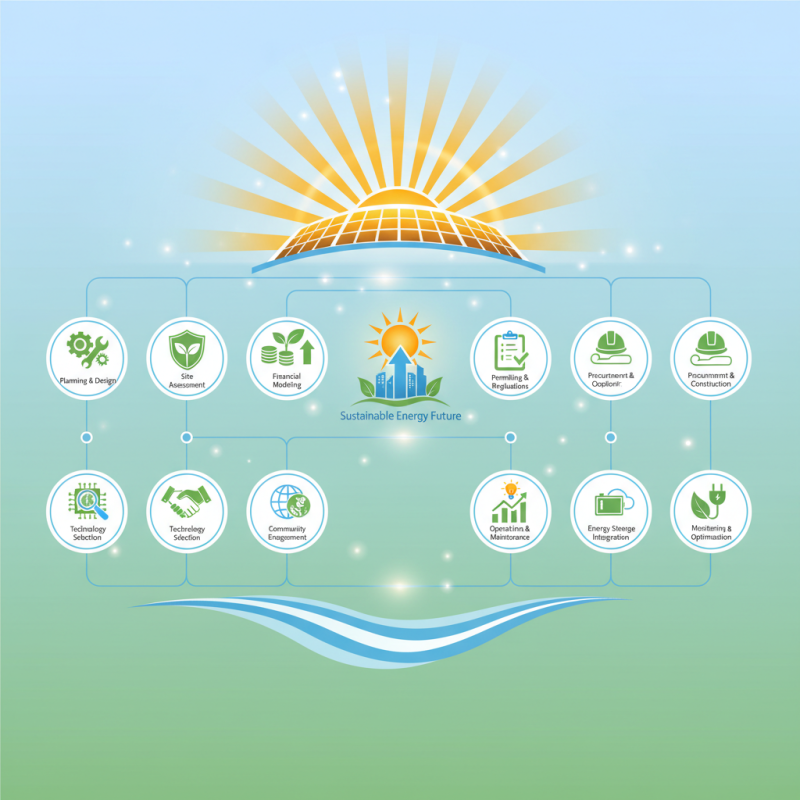
Planning and designing a successful solar system requires careful consideration of several essential steps. First and foremost, a site assessment is crucial. Evaluating the location helps identify potential obstacles such as shading from trees or nearby buildings, and ensures the solar panels will receive adequate sunlight throughout the day. A thorough understanding of local climate conditions can also inform decisions on the type of solar technology best suited for the area.
When designing your solar system, it’s important to set realistic energy goals. Determine your energy usage by reviewing previous utility bills and calculating your average consumption. This will aid in selecting the right size of the solar installation. Additionally, it’s wise to involve professionals early in the design process, as they bring valuable expertise to optimize the system layout and efficiency.
In terms of tips for successful solar projects, one key aspect is to ensure compliance with local regulations and permitting requirements. Failing to do so can lead to delays or additional costs. Another tip is to explore financing options; there are various incentives available that can help reduce upfront costs. Lastly, consider the long-term maintenance of the system; having a clear plan for regular checks and servicing can enhance the longevity and performance of your solar installation.
Financing Options and Incentives for Solar Projects
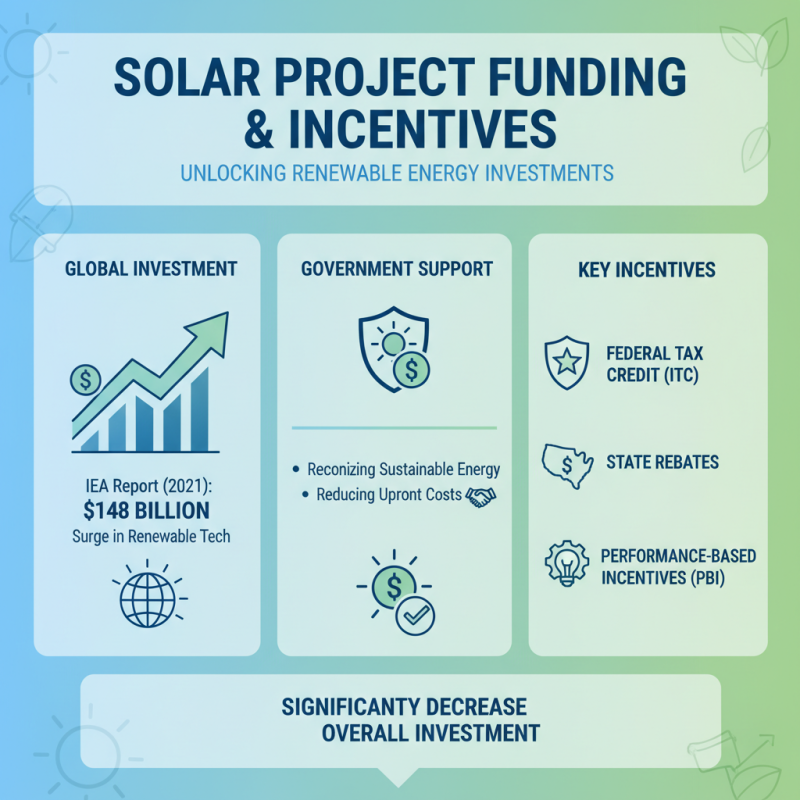
Financing options and incentives play a crucial role in the feasibility and attractiveness of solar projects. According to a report by the International Energy Agency (IEA), global investment in solar energy reached a staggering $148 billion in 2021, highlighting the surge in interest and financial backing for renewable technologies. Governments worldwide are increasingly recognizing the importance of transitioning to sustainable energy sources, resulting in various financial incentives designed to reduce upfront costs. The typical solar installation can receive several incentives, including federal tax credits, state rebates, and performance-based incentives, which can significantly decrease the overall investment.
For instance, the Federal Investment Tax Credit (ITC) allows homeowners and businesses to deduct 26% of the installation costs from their federal taxes. As of 2021, the ITC is set to gradually decrease, further emphasizing the need for timely project execution to maximize financial benefits. Furthermore, many states offer additional incentives, which can cover anywhere from 10% to 50% of solar installation costs, depending on your location. According to Solar Energy Industries Association (SEIA) statistics, states with robust incentive programs see up to 50% higher adoption rates compared to those without. Thus, understanding and leveraging these financing options and incentives is critical for any successful solar project.
Best Practices for Maintenance and Upkeep of Solar Installations
Maintenance and upkeep of solar installations are crucial for maximizing efficiency and extending the lifespan of your solar energy system. Regular inspections can help identify potential issues before they become significant problems. It is essential to check for debris build-up, ensure panels are clean and unobstructed, and verify that all electrical components are functioning correctly. This proactive approach minimizes downtime and maintains optimal energy production.
Another vital practice is to monitor the performance of your solar installation. Investing in monitoring technology can provide real-time data on energy production and system performance, allowing for prompt responses to any irregularities. Keeping track of these metrics can help inform routine maintenance schedules, ensuring the system remains in peak condition and prevents unexpected failures.
Lastly, understanding the environmental factors that impact your solar panels can guide your maintenance efforts. For instance, in areas prone to heavy storms or snow, scheduling a thorough inspection post-event can help in managing any potential damage. Additionally, seasonal cleaning may be necessary in regions with significant dust or pollen accumulation. Implementing these best practices can significantly enhance the reliability and efficiency of your solar energy system.
10 Essential Tips for Successful Solar Projects You Need to Know - Best Practices for Maintenance and Upkeep of Solar Installations
| Tip Number |
Essential Tip |
Description |
| 1 |
Regular Inspections |
Schedule annual inspections to ensure all components are functioning optimally and to identify any potential issues. |
| 2 |
Clean Panels |
Regularly clean the solar panels to remove dirt, debris, and bird droppings that can hinder efficiency. |
| 3 |
Monitor Performance |
Use monitoring systems to track energy production and detect performance drops promptly. |
| 4 |
Check Inverters |
Ensure inverters are functioning well as they convert solar energy into usable electricity. |
| 5 |
Inspect Wiring |
Regularly check wiring for wear and tear, ensuring all connections are secure to prevent hazards. |
| 6 |
Trim Surrounding Vegetation |
Ensure that trees and shrubs do not obstruct sunlight from reaching the panels. |
| 7 |
Document Maintenance |
Keep meticulous records of maintenance and repairs to help track performance longevity. |
| 8 |
Stay Informed on Technology Updates |
Keep abreast of advancements in solar technology that may enhance system performance. |
| 9 |
Consult Professionals |
Seek professional advice for complex maintenance and performance issues. |
| 10 |
Plan for Upgrades |
Evaluate the need for system upgrades as technology evolves to maximize efficiency. |