What is an Ev Charger Car and How Does it Work?
As the world shifts towards sustainable energy, the popularity of the Ev Charger Car is growing rapidly. These vehicles offer a cleaner alternative to traditional gas-powered cars. But many still wonder how they operate. Understanding the basics of electric vehicle chargers is crucial.
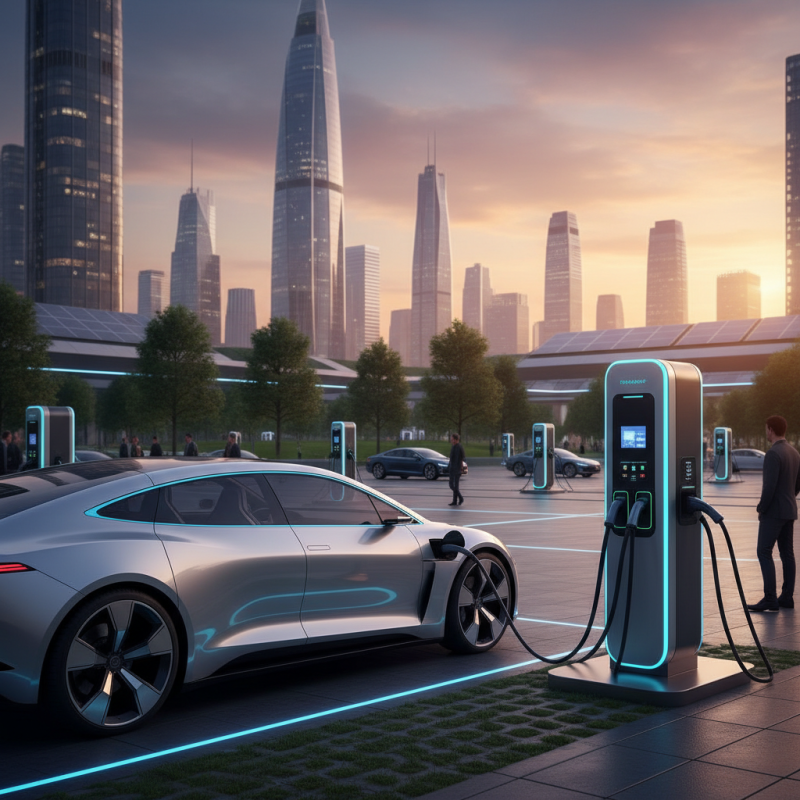
An EV Charger Car works by using electricity to power the vehicle's battery. The charging process can take just a few hours or longer, depending on the charger type. Home chargers are convenient, while public charging stations are appearing in various locations. These charging solutions can ease range anxiety for many users.
While EV Charger Cars provide numerous benefits, challenges remain. Charging infrastructure is still developing in some areas. Not all electric vehicles are compatible with every charger. This inconsistency can lead to frustration among drivers. Continuous improvement is needed to make electric vehicles more accessible and user-friendly.
What is an Electric Vehicle (EV) Charger?
An electric vehicle (EV) charger is a device that supplies electric energy to recharge EV batteries. It is crucial for the growing number of electric vehicles on our roads today. According to a report from the International Energy Agency (IEA), there were over 10 million electric cars in use globally by the end of 2020. This number is expected to reach 145 million by 2030, highlighting the increasing need for robust charging infrastructure.
There are several types of EV chargers, including Level 1, Level 2, and DC fast chargers. Level 1 chargers use standard household outlets, making them convenient but slow. They offer about 2 to 5 miles of range per hour. In contrast, Level 2 chargers can provide 10 to 60 miles of range in just one hour. Fast chargers deliver much more power, allowing a vehicle to recharge to 80% in about 30 minutes. However, not all EVs are compatible with every charger type, which can lead to confusion and frustration for users.
As charging stations become more widespread, challenges remain. Accessibility can be uneven in rural areas. The IEA points out that many regions still lack sufficient charging infrastructure. Building a seamless network will require cooperation from governments, companies, and consumers. Real-time availability information is crucial to prevent range anxiety for EV drivers. As electric vehicles continue to gain traction, the development of smarter EV charging solutions must keep pace with demand.
Types of EV Chargers: Level 1, Level 2, and DC Fast Charging
Electric vehicles (EVs) rely on charging stations to replenish their batteries. There are three main types of chargers: Level 1, Level 2, and DC Fast Charging. Each has its unique features and benefits.
Level 1 chargers use a standard 120-volt outlet. This type is common in homes. It can take a long time to charge an EV, sometimes over 12 hours for a full charge. This makes it ideal for overnight charging but may not suit everyone's needs.
Level 2 chargers are faster. They operate on a 240-volt system. These chargers can fill an EV's battery in about four to six hours. They're often found in public charging stations and some homes. However, installation may require electrical upgrades, adding costs.
DC Fast Charging is the quickest option. It uses direct current to provide a substantial charge in 30 minutes or less. These chargers are typically found at major highways. Yet, they may not be accessible in all locations, limiting their usability for some drivers.
Each type of charger has its pros and cons, which should be considered based on individual driving habits.
How Does an EV Charger Work? The Charging Process Explained
Electric vehicle (EV) chargers are essential for powering electric cars. They serve as a bridge between the electrical grid and the vehicle's battery. The charging process can be simple, yet it has its complexities.
When plugging in an EV, the charger communicates with the vehicle. It checks the battery status and determines the optimal charging speed. This interaction ensures your battery is charged safely and efficiently. Typically, there are three levels of charging: Level 1, Level 2, and DC fast charging. Level 1 uses a standard outlet, while Level 2 and DC fast chargers are more powerful, significantly reducing charging time.
However, not all EV chargers are equal. Different regions may offer various charging options, leading to confusion. Some chargers may not fit all vehicles, requiring adapters. Not all charging stations are well-maintained or easy to locate, adding stress to drivers. Matching the right charger to the vehicle can be a challenge, especially for new users. Understanding how to navigate these issues is a key aspect of the charging experience.
The Benefits of Using EV Chargers for Electric Vehicles
Electric vehicles (EVs) are becoming more popular, and so are EV chargers. These chargers play a crucial role in the transition to cleaner transportation. Using an EV charger at home or on the road allows drivers to efficiently charge their vehicles. This convenience is a significant benefit for EV owners, enabling them to save time and reduce the hassle of finding charging stations.
One of the main advantages of using an EV charger is cost savings. Charging an electric car can be cheaper than fueling a gasoline car. Additionally, many public charging stations offer free charging options. However, the availability of these chargers can vary widely. Some regions have more options than others. This inconsistency can be frustrating for EV users.
Another benefit is the positive environmental impact. Electric vehicles produce fewer emissions than traditional cars. Using an EV charger means supporting cleaner energy sources. However, not all electricity is green. Some still comes from fossil fuels. It’s crucial to reflect on where our energy comes from. This knowledge can inspire smart choices and more sustainable practices.
Where to Find EV Charging Stations: Locations and Accessibility
Finding EV charging stations can sometimes be a challenge. These stations are essential for electric vehicle owners. They ensure long journeys are possible without running out of battery. Many charging stations are located in public areas. Popular spots include shopping centers, parking garages, and highways. However, not every place has easy access. In some regions, options may be limited.
Accessibility is important. Some stations are fast chargers; they offer a quicker top-up. Other stations might take longer. This can vary based on location and equipment. Some drivers may experience frustration when a station is occupied. It's worth planning your route ahead of time. Utilizing apps can help locate available chargers.
Not all charging stations are user-friendly. Some may lack proper signage or easy access. It is crucial to check real-time availability when possible. Additionally, understanding the different charging levels is vital. Level 1 chargers are slow; they are common at homes. Level 2 chargers are faster, often found in public. Level 3 chargers, the fastest, are ideal for quick stops. Finding the right type of station can help in managing time effectively.