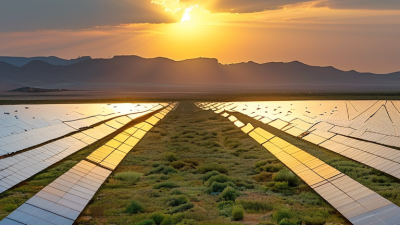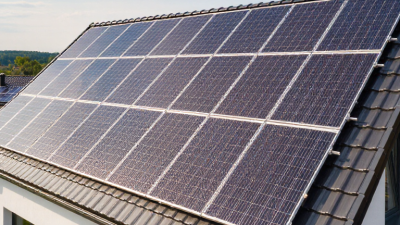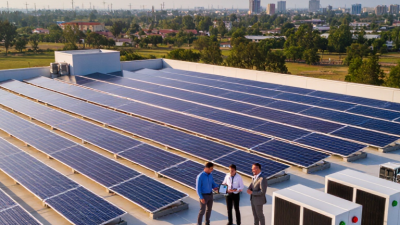
China is a major force in the global solar power supply chain, with manufacturers offering panels, inverters, batteries, and complete energy solutions. For global buyers, a familiar brand name is only a starting point. Product performance, warranty terms, delivery capacity, and after-sales support can matter just as much as price. Small details count: a panel’s dimensions may affect container loading, while warranty exclusions can shape long-term project costs.
As IEA Executive Director Fatih Birol has said, “Solar is the new king of electricity markets around the world.” That growth brings opportunity, but choosing a supplier still requires care. This guide introduces ten Chinese solar power companies for international buyers and explains what to compare: manufacturing focus, product range, efficiency data, certifications, service networks, and experience in export markets. Buyers should verify technical specifications and current warranty conditions directly with each company; product lines and terms can change. A ranking can help narrow the field, but it cannot replace project-specific checks. Not every buyer needs the biggest supplier. A regional installer may value responsive technical support more than a striking factory-capacity figure. And even a carefully researched shortlist can miss something; supplier selection deserves a second look before contracts are signed.
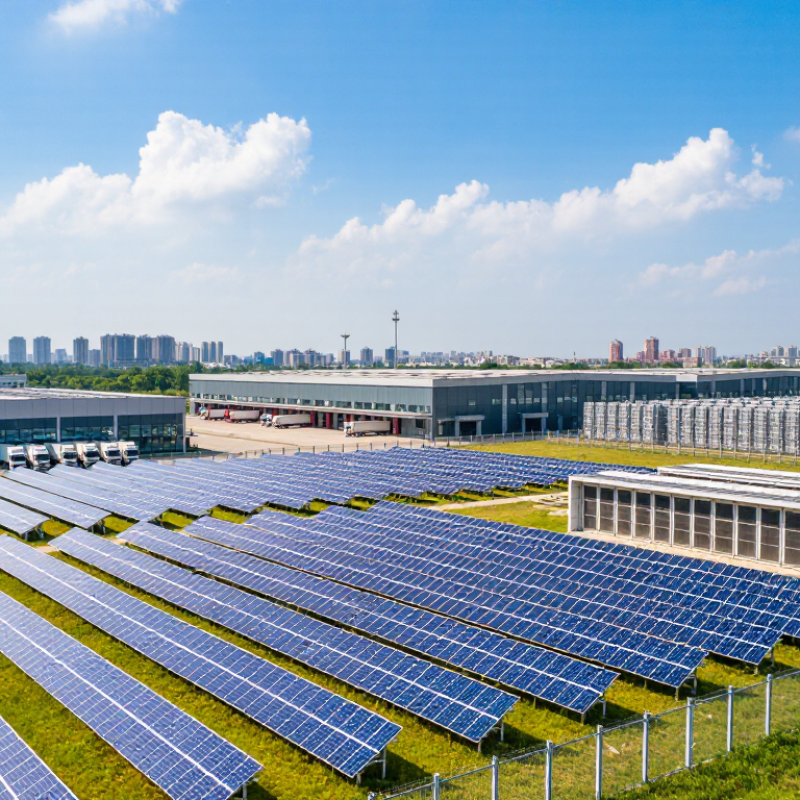
China’s solar industry is a central force in the global energy transition. China’s National Energy Administration reported 277.6 gigawatts of new solar capacity in 2024, bringing its total to about 886.7 gigawatts. These figures show the scale behind the country’s role: large manufacturing networks, extensive project development, and rapid deployment. For global buyers, this scale can support broad product availability and competitive supply.
Manufacturing influence matters, too. The International Energy Agency’s 2022 report, Solar PV Global Supply Chains, found that China held more than 80% of capacity across key solar manufacturing stages. That concentration can make supply chains efficient, but it also leaves buyers exposed to shipping delays, changing prices, and limited sourcing options. The picture is powerful, but not complete. A module shipment is not the same as reliable electricity; grid access, project design, and maintenance still shape real-world performance. I may be overstating scale if I ignore those local details.
Tips: Compare module specifications, warranties, delivery schedules, and technical support. Ask for test records and traceable production documentation. Check how equipment performs in your climate, not just its headline efficiency.
China Top 10 Solar Power Companies for Global Buyers
How to Evaluate Chinese Solar Companies for International Projects
A supplier’s scale is useful, but it does not prove project fit. The IEA’s 2022 report, Solar PV Global Supply Chains, found China held over 80% of manufacturing capacity across major solar-panel production stages. That concentration offers buyers broad access to components, yet makes supply-chain transparency essential. Ask for factory-level production records, component origins, and independent test reports—not just a polished product brochure.
Check module power tolerance, temperature coefficients, degradation guarantees, and compatibility with the project’s inverters and mounting system. Request warranty terms in writing, including who handles claims and where service parts are stored. IRENA reported a global weighted-average utility-scale solar cost of $0.044 per kilowatt-hour in 2023, down 12% from 2022. That trend is encouraging, but the cheapest quotation may hide freight, inspection, or replacement costs. Run a landed-cost comparison.
For an international project, verify export references in climates similar to yours. Review sample packing, shipment schedules, and independent pre-shipment inspection procedures. Ask how production changes are documented between batches. Small details matter. A connector mismatch can delay commissioning. No checklist removes every risk; even good suppliers can miss a deadline. I would also request a pilot order before committing to a large volume, though that can add time and cost.
China’s solar industry includes manufacturers with different strengths, from high-volume module production to specialized power systems. The ten profiles below describe common capabilities among leading suppliers, rather than a verified ranking. Company one focuses on large-scale modules, where consistent output and documented quality controls matter. Company two emphasizes cell technology and efficiency testing. Company three serves commercial projects with configurable module formats. Details matter.
Company four combines module production with project engineering. Company five concentrates on inverters and system integration. Company six supplies components for rooftop installations, where limited space can shape design choices. Company seven develops storage-ready systems for buyers seeking more flexible energy use. Company eight focuses on export support, including technical documentation and shipment coordination. These strengths can vary by product line and production site.
Company nine serves utility-scale projects, where delivery capacity and long-term performance data deserve close review. Company ten offers customized solutions for regional climate and installation needs. A profile is only a starting point. Buyers should compare current certifications, test results, warranty terms, factory audits, and references from similar installations. Ask how performance claims are measured. Specifications can look convincing on paper, yet real-world output depends on heat, shading, installation, and maintenance. A careful comparison may take longer, but it helps reveal gaps before procurement.
For global buyers, a solar supplier’s catalogue matters as much as its factory output. Check whether it offers modules across different power ratings and formats, then match them to rooftop, utility-scale, or space-constrained projects. Ask for current product datasheets, warranty terms, and evidence of testing. A broad range is useful, but it can also make comparisons harder.
Manufacturing scale needs careful reading. The IEA PVPS Snapshot of Global PV Markets 2024 estimated 447 GW of new solar capacity worldwide in 2023. IRENA’s Renewable Capacity Statistics 2024 reported about 346 GW of additions. Their figures differ because of data methods and coverage. That gap is a reminder: production capacity is not the same as reliable deliveries. Ask suppliers about factory utilization, lead times, and quality controls—not only nameplate output.
Global reach shows up in practical details. Can the supplier provide regional technical support, clear shipping schedules, and documentation suited to the buyer’s project? Check references from comparable installations, especially in climates with heat, humidity, or heavy dust. Small details matter. A polished presentation cannot replace shipment records or independent test results. Even a strong supplier may have uneven service across markets, so verify the local support plan before comparing offers.
Choosing a solar supplier is less about a polished catalogue and more about consistent evidence. Ask for test reports that match the exact module model and factory, not just a certificate logo. Check production records, serial-number traceability, and how quality issues are handled. A factory audit can reveal whether inspection happens throughout production or only before shipping. Small details matter.
Compare warranty terms carefully. Look for exclusions, response times, and the process for submitting a claim. A long warranty is less useful if responsibility is unclear. Price still pulls attention; it is an easy number to compare, but a weak measure on its own. Review the bill of materials, packaging plan, delivery schedule, and who supports the product after arrival. Ask for references from projects with similar climate and scale, then verify them directly. Some buyers overlook spare parts and technical support until a shipment is delayed. That gap can be costly. Keep written records of supplier commitments, and leave room for questions your first checklist missed.