What is a Water Solar Panel and How Does It Work?
Water solar panels are a groundbreaking innovation in renewable energy. These systems harness the sun's power to heat water efficiently. According to Dr. Emily Carter, a leading expert in solar technology, "Water solar panels are transforming how we think about energy consumption." Her research highlights the potential for significant energy savings.
In these panels, sunlight warms water inside special tubes. This heated water can power homes, pools, and businesses. The design focuses on efficiency and sustainability, appealing to environmentally conscious consumers. However, many still hesitate to switch to this technology, citing high upfront costs or lack of knowledge.
Despite the challenges, the benefits are clear. Water solar panels reduce reliance on fossil fuels. They provide free, clean energy after installation. As Dr. Carter emphasizes, "The future of energy lies in harnessing solar energy effectively." With the right information and support, more people can adopt this innovative approach.
Definition of Water Solar Panels and Their Purpose
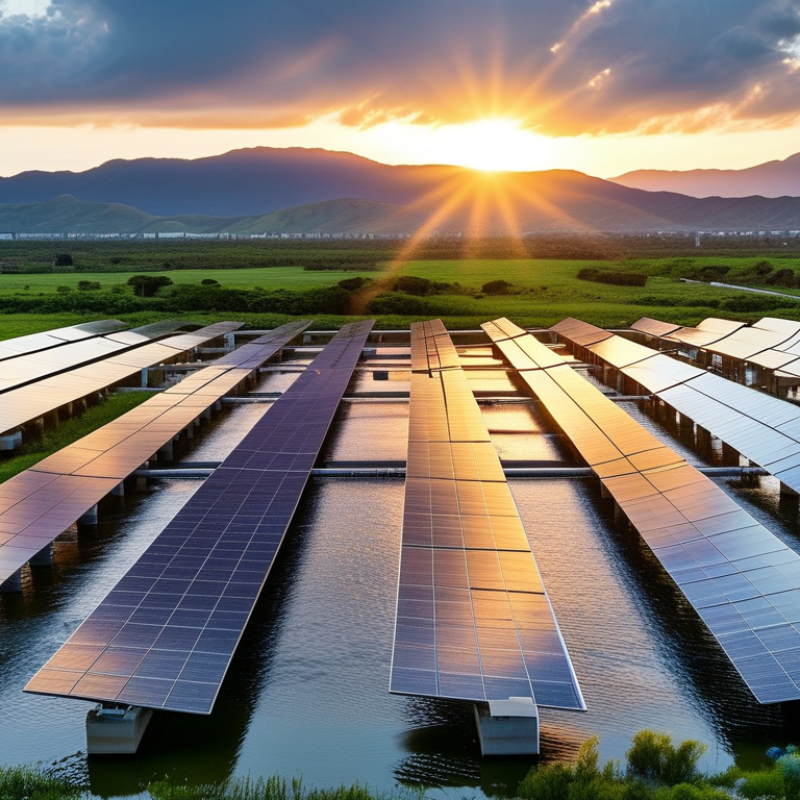
Water solar panels are a sustainable technology designed to harness solar energy for water heating. These panels convert sunlight into thermal energy, which heats water for various residential and commercial applications. The purpose of water solar panels extends beyond simply saving on energy costs; they contribute to reducing greenhouse gas emissions and promoting energy independence.
Data from the International Energy Agency shows that using solar thermal technologies, like water solar panels, can reduce CO2 emissions by up to 1.5 billion tons annually. This statistic highlights their importance in combating climate change. A typical residential water solar panel system can provide between 50% to 80% of a household's hot water needs, increasing energy efficiency significantly. Yet, installation costs and space requirements can be barriers for some homeowners.
Consider factors like your local climate and potential energy savings before installation. Water solar systems work best in areas with consistent sunshine. Regular maintenance is also crucial; clean panels maximize efficiency. As renewable energy becomes more mainstream, exploring options like water solar panels can spur further advancements in energy technology. Balancing initial costs with long-term benefits is an ongoing challenge for many homeowners.
Principles of Solar Energy Conversion in Water Panels
Water solar panels harness solar energy to heat water efficiently. These panels utilize photovoltaic cells and heat exchangers to convert sunlight into usable energy. By absorbing sunlight, the panels heat the water that passes through them, making it ideal for residential and commercial use. This process combines the principles of solar thermal and photovoltaic technology.
The conversion of solar energy in water panels relies on thermodynamic principles. As sunlight strikes the surface, it generates heat. This heat is then transferred to the water flowing through pipes embedded in the panel. The efficiency of this process depends on factors like sunlight intensity and temperature. It’s essential to note that energy losses can occur. Dust, shading, and improper installation may reduce effectiveness. Regular maintenance is essential to optimize energy conversion.
The potential of water solar panels is promising but requires careful consideration. Their design may vary based on installation location and climate conditions. Understanding local environmental factors is crucial for maximizing their performance. As with any technology, continuous improvement and adaptation are necessary for achieving the best results.
Components and Design of Water Solar Panel Systems
Water solar panels, a unique innovation in renewable energy, integrate solar technology with thermal energy to heat water. The primary components of these systems include solar collectors, a heat exchanger, and storage tanks. The solar collectors, typically flat-plate or evacuated tube designs, absorb sunlight. In fact, research indicates that water solar panels can achieve efficiencies of up to 80% in converting sunlight to heat energy. This impressive efficiency contributes to their growing popularity worldwide.
The design of water solar panel systems can vary greatly. For example, some systems feature passive designs that use natural circulation. Others employ active methods, such as pumps, to circulate water. According to industry reports, active systems can provide up to 50% more heat, highlighting their effectiveness. Installing these systems can require a significant upfront investment, which raises questions about long-term viability. Reflecting on the initial costs and potential savings is vital for homeowners and businesses alike.
Creating a water solar panel system requires careful consideration of local climate conditions. Efficiency may vary based on weather patterns and geographic location. Additionally, maintenance can be challenging, as components may degrade or require replacement over time. However, understanding these factors can enhance reliability and optimize performance in the quest for sustainable energy solutions.
Installation Process for Water Solar Panels
Installing water solar panels involves several crucial steps to ensure efficiency and longevity. The first step is site assessment. Experts suggest evaluating your roof or ground space for solar panel placement. This includes analyzing sunlight exposure and structural integrity. A well-positioned solar panel can capture up to 20% more energy, according to the National Renewable Energy Laboratory.
The next stage is the mounting process. Use high-grade materials to secure the panels. It's essential to follow manufacturer guidelines for installation angles and alignment. A survey from Solar Energy Industries Association shows that improper installation can decrease energy output by as much as 30%. Understand that even small misalignments can lead to significant losses over time.
Before you connect the system, ensure all components are compatible. This includes inverters, pipes, and pumps. Run thorough tests to avoid leaks or electrical issues. Regular maintenance checks are vital. Cleaning the panels and checking connections can extend the system's life.
Consider consulting a professional for installation. Their expertise can mitigate risks. Selecting a certified installer can enhance the reliability of your system. Some reports indicate that professional installations yield more consistent energy production compared to DIY setups.
Water Solar Panel Efficiency by Temperature
This chart illustrates the efficiency of water solar panels at different temperatures. As the temperature rises, the efficiency can vary, often peaking at moderate temperatures before declining at excessively high temperatures.
Benefits and Limitations of Using Water Solar Panels
Water solar panels offer a unique approach to harnessing solar energy. They utilize water as a medium for both cooling and energy generation. This dual-purpose functionality enhances efficiency, making them an attractive option. Industry reports indicate that when paired with conventional solar panels, water solar panels can increase overall efficiency by up to 25%. This is largely due to the cooling effect of the water, which minimizes heat-related losses.
However, there are limitations to consider. Installation of water solar panels can be more complex and costly than traditional systems. A study by the International Renewable Energy Agency found that upfront costs for water-based systems can be 15-30% higher. Additionally, water systems require regular maintenance to prevent issues such as algae growth or sediment build-up, which can hinder performance. Climate conditions also play a role; colder climates may reduce efficiency in water-based systems compared to traditional panels.
Understanding these benefits and limitations is crucial when evaluating energy solutions. While water solar panels provide promising enhancements in efficiency, the initial costs and maintenance needs must not be overlooked. They may not be suitable for every location, prompting careful consideration of the overall energy goals.