1-906-774-0098

2026 Best Types of Solar Systems for Global Buyers?

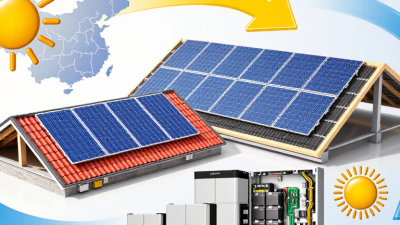
Choosing among the best types of solar systems in 2026 requires more than comparing panel prices. Global buyers must consider sunlight patterns, electricity tariffs, roof strength, battery needs, and local installation standards. A compact grid-tied system may suit a city apartment with reliable utility service. An off-grid system may better serve a remote clinic, farm, or island home. Hybrid designs offer another path, combining solar generation, batteries, and grid backup.

Real projects reveal important differences. A household with evening power cuts may value battery storage more than maximum daytime production. A warehouse with a broad metal roof may prioritize high-efficiency panels and simple maintenance. Portable solar systems can support temporary work sites, but their limited capacity may disappoint users expecting whole-home backup. These details matter.

No single design wins everywhere. That sounds obvious.

This guide compares grid-tied, off-grid, hybrid, portable, and community-scale solar systems for buyers across different markets. It explains practical strengths, limitations, ownership costs, and suitable applications without treating promotional claims as proven facts. Qualified installers should verify structural loads, wiring protection, battery ventilation, and regional compliance before purchase. Product certifications, transparent warranties, replacement-part access, and installer experience also deserve careful review. Standards and incentives change by country, so readers should confirm current requirements with local authorities and reputable professionals. Some recommendations may remain uncertain because climate data, household behavior, and future electricity prices are difficult to predict. The most reliable choice is not always the newest technology; it is the system that performs safely, economically, and consistently in its actual location.
2026 Best Types of Solar Systems for Global Buyers?

Solar System Basics and How Each Type Works

2026 Best Types of Solar Systems for Global Buyers?

Solar systems convert sunlight into usable electricity through panels, an inverter, mounting equipment, and safety controls. Panels produce direct current, while most household appliances use alternating current. The inverter performs that essential conversion. In real installations, roof direction, shade, temperature, and cable length affect output. A sunny location still needs a careful site assessment.

A grid-tied system sends extra electricity to the public grid and usually costs less because it may not need batteries. However, it normally stops during a power outage for safety. An off-grid system uses batteries and often needs a backup generator or larger solar array. It suits remote homes, but battery replacement and energy planning require attention. A hybrid system combines grid access, solar production, and battery storage. It offers more flexibility, although its controls and installation can be more complex.

Tips: Check local electrical rules, permits, warranty terms, and installer qualifications before purchasing. Ask for production estimates based on seasonal sunlight, not only peak summer figures. Keep batteries in a cool, dry, ventilated area. Small details matter. I have seen buyers focus on panel capacity while overlooking evening demand, shadow movement, or future appliance use. That decision can make an efficient system feel disappointing. Reviewing twelve months of electricity bills gives a more realistic starting point.

On-Grid, Off-Grid, and Hybrid Solar System Designs

For global buyers in 2026, solar design should begin with the local grid, weather, and daily load. On-grid systems connect panels to the utility network. They reduce daytime electricity purchases and may use net-metering rules where permitted. These systems usually cost less because batteries are optional. However, they often shut down during grid outages unless an approved backup arrangement is installed. A sunny roof is not enough.

Off-grid systems serve remote homes, farms, clinics, and work sites without dependable utility access. They combine panels, batteries, charge controllers, and backup generation when necessary. Battery sizing depends on night loads, cloudy-day reserves, and seasonal sunlight. Refrigeration and water pumps can change the calculation quickly. Oversizing panels may improve winter performance, but it also increases structural and maintenance demands. Keep loads efficient.

Hybrid systems blend grid connection, solar generation, and battery storage. They can shift solar energy into evening hours, protect selected circuits, and reduce outage risks. A professional design needs load monitoring, inverter compatibility, protection devices, and local inspection approval. I have seen projects fail because buyers counted panel wattage but ignored cable losses and battery temperature. That mistake is expensive. Designs also need fire separation, ventilation, and clear maintenance access. Local rules differ, so imported assumptions can create delays. Recheck the load profile after the first month. Real households behave differently.

Residential, Commercial, Industrial, and Utility-Scale Applications

2026 Best Types of Solar Systems for Global Buyers

Residential, Commercial, Industrial, and Utility-Scale Applications

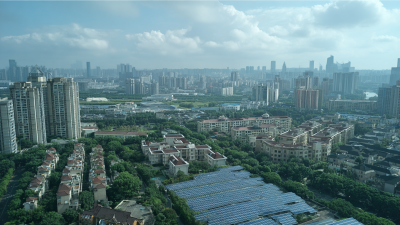
Residential buyers often choose grid-tied or hybrid solar systems. Grid-tied systems reduce daytime electricity purchases. Hybrid systems add batteries for evening use and short outages. A typical home assessment reviews roof direction, shading, local weather, and monthly load patterns. Installers should check structural capacity and follow local electrical codes. Battery sizing needs care. Oversizing can increase cost without improving daily performance. No design is perfect.

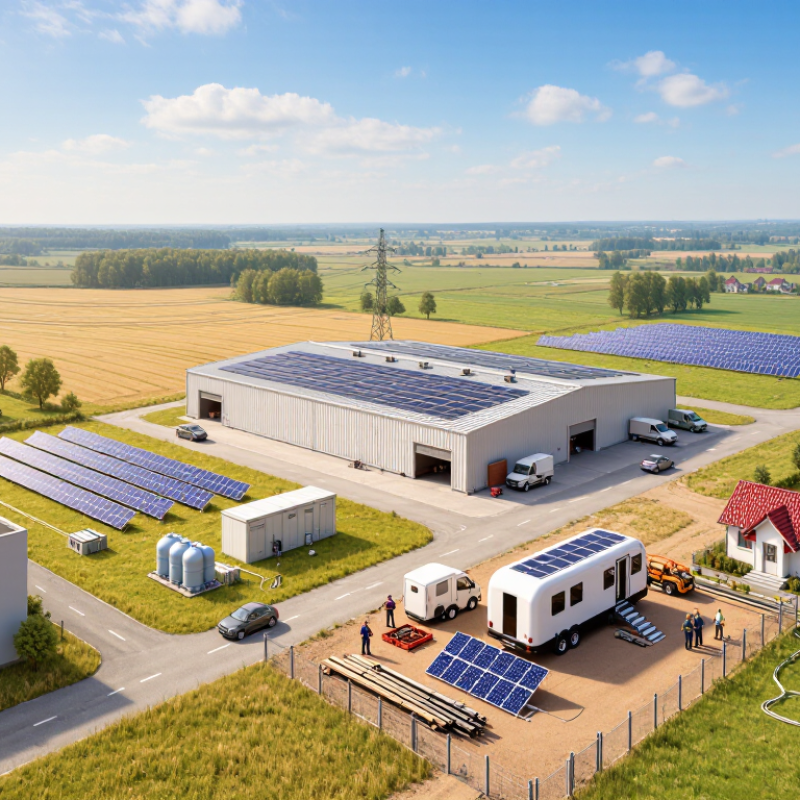
Commercial buildings usually benefit from rooftop systems paired with energy monitoring. Offices, stores, and warehouses can shift flexible loads into sunny hours. Larger facilities may require three-phase equipment and stronger protection systems. Engineers should examine demand charges, roof access, fire pathways, and future expansion plans. A system producing less energy may still deliver better value if it matches the building’s operating schedule.

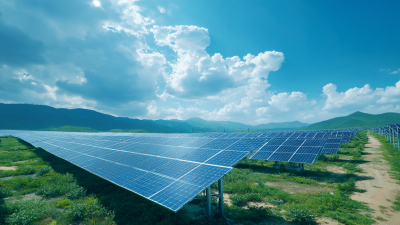
Industrial and utility-scale projects require a different level of planning. Ground-mounted arrays need land surveys, drainage studies, security planning, and grid-connection analysis. Industrial sites may combine solar with batteries to support motors, refrigeration, or continuous production. Utility-scale projects depend on transmission capacity, environmental reviews, and long-term maintenance access. Independent testing, clear performance documents, and qualified local contractors strengthen buyer confidence. Costs can change after interconnection studies. That risk deserves honest budgeting.

2026 Best Types of Solar Systems for Global Buyers? - Residential, Commercial, Industrial, and Utility-Scale Applications
Solar System Type Typical System Capacity Primary Applications Typical Annual Solar Yield Installation Location Typical Storage Configuration Grid Connection Land or Roof Requirement Main Advantages Key Planning Considerations Best-Suited Buyer Profile
Residential Solar Systems 1–30 kW per property
  • Household electricity consumption
  • Rooftop self-consumption
  • Backup power for essential loads
  • Electric vehicle charging
Approximately 900–1,800 kWh per kWp per year, depending on solar resource, orientation, shading, and system design Residential rooftops, carports, balconies, or small ground-mounted areas Optional battery storage, commonly 5–30 kWh for daily load shifting and backup use Usually low-voltage grid-connected; hybrid systems may operate with backup circuits Approximately 5–10 m² of usable roof area per kW for conventional crystalline-silicon modules; ground systems require additional spacing
  • Reduces household electricity purchases
  • Can provide backup during grid interruptions when paired with suitable storage
  • Modular and relatively quick to install
  • Suitable for phased expansion
  • Roof condition and structural capacity
  • Shading and roof orientation
  • Local net-metering or export regulations
  • Battery safety, ventilation, and placement
Homeowners, housing developers, rural households, and small off-grid properties
Commercial Solar Systems 30 kW–5 MW per site
  • Retail buildings and offices
  • Schools, hospitals, and hotels
  • Warehouses and logistics facilities
  • Shopping centers and public buildings
Approximately 1,000–2,000 kWh per kWp per year, depending on regional solar irradiation and system losses Large rooftops, parking canopies, façades, or adjacent ground-mounted areas Typically 50 kWh–5 MWh, selected for demand management, peak shaving, backup, or time-of-use optimization Low- or medium-voltage connection; larger projects may require transformer upgrades Rooftop systems use existing space; carports and ground-mounted systems require additional structural or land planning
  • Offsets daytime commercial demand
  • Can reduce demand charges where applicable
  • Makes productive use of underutilized roofs and parking areas
  • Supports sustainability and energy-cost targets
  • Building load profile and operating hours
  • Roof leasing, ownership, and waterproofing responsibilities
  • Fire access and maintenance pathways
  • Utility interconnection capacity
Commercial property owners, retailers, institutions, logistics operators, and public-sector facilities
Industrial Solar Systems 1–100 MW per site
  • Manufacturing plants
  • Processing facilities
  • Data centers and large technical buildings
  • Mining, ports, and heavy industrial operations
  • Solar-powered industrial processes and hydrogen production
Approximately 1,100–2,100 kWh per kWp per year, subject to climate, system orientation, and operating conditions Industrial rooftops, unused land within facilities, carports, reservoirs, or nearby dedicated sites Approximately 1–100+ MWh; larger systems may combine lithium-ion batteries with energy-management controls Medium- or high-voltage connection, often involving dedicated transformers, protection equipment, and grid studies Rooftop projects depend on structural capacity; ground-mounted projects commonly require about 1.5–3 hectares per MW for fixed-tilt layouts, with site-specific variation
  • Can supply large and predictable electricity loads
  • Reduces exposure to volatile electricity prices
  • Supports electrification of industrial processes
  • Can be integrated with energy-management and microgrid systems
  • High short-circuit and power-quality requirements
  • Process continuity and backup-power needs
  • Heavy rooftop loads, dust, vibration, or corrosive environments
  • Complex permitting and interconnection studies
Manufacturers, industrial parks, mining companies, infrastructure operators, and energy-intensive facilities
Utility-Scale Solar Systems Generally above 10 MW; large projects may exceed 1 GW
  • Wholesale electricity generation
  • Long-term power purchase agreements
  • Utility renewable-energy portfolios
  • Hybrid solar, storage, and transmission projects
  • Rural electrification and regional grid supply
Approximately 1,200–2,300 kWh per kWp per year, depending on latitude, irradiation, tracking technology, availability, and grid curtailment Large ground-mounted sites, agrivoltaic land, brownfields, deserts, or other areas with suitable solar resources and grid access From tens of MWh to several GWh; storage is increasingly used for evening delivery, ancillary services, and grid balancing High-voltage or extra-high-voltage connection with substations, protection systems, metering, and transmission studies Approximately 1.5–3 hectares per MW for many fixed-tilt projects; tracking layouts and site constraints may require more land
  • Lowest project-level generation cost in high-irradiance areas
  • Strong scalability and high energy output
  • Can support national decarbonization targets
  • Compatible with long-term contracted power sales
  • Land rights, environmental assessment, and community consultation
  • Transmission availability and potential curtailment
  • Extreme weather, flooding, soiling, and site access
  • Long development timelines and substantial upfront capital
Independent power producers, utilities, infrastructure funds, governments, and large energy purchasers
Data note: Capacity, energy-yield, land-use, and storage figures are indicative engineering ranges for international planning in 2026. Actual performance and project economics vary according to solar irradiation, module efficiency, inverter design, temperature, shading, system losses, local regulations, financing, land conditions, and grid availability.

Key Factors for Comparing Solar System Performance and Costs

The best solar system in 2026 depends less on the panel type than on local conditions. Grid-connected systems usually provide the lowest upfront cost where electricity supply is stable. Hybrid systems add batteries for evening use and outage protection. Off-grid systems suit remote sites, but they require larger storage and stricter load management.

Grid reliability matters. A household using 18 kWh daily may need different equipment than a small workshop with heavy daytime demand. Review annual sunlight, roof direction, shading, electricity tariffs, and seasonal consumption. Battery round-trip efficiency, inverter capacity, temperature performance, and replacement costs also affect real output. Storage changes the equation. It can reduce peak-price purchases, but poor charging habits may weaken the financial return.

The IEA PVPS Trends 2024 report recorded about 456 GW of new photovoltaic capacity in 2023, lifting global installations above 1.6 TW. Scale is growing quickly, yet local installation quality still decides performance. IRENA’s Renewable Power Generation Costs in 2023 report placed utility-scale solar at roughly USD 0.044 per kWh globally, after a 12% cost decline. Rooftop projects can cost more because labor, permitting, and electrical upgrades vary widely. A neat spreadsheet can still mislead. Field assessments often uncover afternoon shade, undersized cables, or unrealistic battery expectations. Buyers should compare lifetime energy cost, not only the purchase price. Forecasts remain imperfect. Weather, policy, and financing can change the result.

Global Buyer Considerations: Climate, Regulations, and Installation Needs

Choosing the best solar system in 2026 depends less on trends and more on local conditions. Grid-tied systems suit areas with reliable electricity and simple interconnection rules. Hybrid systems add batteries for evening use, outages, or unstable grids. Off-grid systems require careful sizing and are better for remote homes, farms, and cabins.

Climate changes the design. Hot climates may reduce panel output, while dust requires regular cleaning and inspection. Coastal buyers should ask about corrosion-resistant mounting materials. Cold regions need snow-load calculations and batteries rated for low temperatures. Regulations also matter. Permits, grid-export limits, fire setbacks, and recycling requirements vary by country and sometimes by city. A qualified installer should verify these details before purchase, not after delivery. Installation experience matters too. Roof age, shading, cable routes, drainage, and structural strength can change the final cost. A perfect design rarely survives the first site visit.

Tips: Request a written solar assessment, production estimate, maintenance plan, and warranty terms. Compare usable battery capacity, not only advertised storage. Check whether local technicians can provide support. Ask for references from similar climates. Do not ignore small shadows; a chimney or nearby tree can reduce daily output. I would also keep a realistic backup budget, because permits and roof repairs are often underestimated. Some buyers focus too heavily on maximum efficiency, while easier maintenance may provide better long-term value.

2026 Best Types of Solar Systems for Global Buyers

Grid-tied systems are generally suitable where the utility grid is reliable and regulations allow electricity export. Hybrid systems combine solar power with battery storage and are suitable for areas with frequent outages. Off-grid systems require larger batteries, backup generation, and careful load planning, making them appropriate for remote locations without dependable grid access. The autonomy ranges shown are common residential planning ranges and vary with climate, appliance demand, seasonal sunlight, and local regulations.

Data unit: typical battery-backed electricity autonomy. Grid-tied systems normally provide no backup power when the grid fails unless additional storage and backup equipment are installed.