1-906-774-0098

10 Best Hot Water Solar Systems for Global Buyers?

Choosing among the 10 best hot water solar systems requires more than comparing collector size or advertised savings. Global buyers face different sunlight levels, water quality, installation rules, and maintenance conditions. A system that performs well in Australia may need stronger freeze protection in Canada or corrosion control in coastal Morocco.

Industry data confirms the technology’s growing relevance. The International Energy Agency reports that water heating remains a major source of household energy demand worldwide. Solar Heat Worldwide 2024 estimates global solar thermal capacity at more than 560 GWth, serving homes, hotels, hospitals, and industrial facilities. These figures show mature deployment, not a laboratory experiment. Still, capacity alone does not guarantee reliable hot water.

This guide evaluates leading systems through practical criteria. These include annual solar yield, collector efficiency, storage performance, backup integration, warranty coverage, and installer support. It also considers details buyers can see during a site visit: insulated pipes, accessible valves, tank placement, and shaded roof sections. Small installation choices matter.

The Renewable Energy Policy Network for the 21st Century highlights solar heating’s role in reducing fossil-fuel use. Yet reported savings vary widely. Household demand, local weather, electricity prices, and user behavior can change results. That limitation deserves attention.

No ranking can fit every market perfectly. Some products have limited service networks outside their home regions. Others publish impressive laboratory results but provide little field data. Therefore, this comparison combines manufacturer specifications with recognized industry reports and practical buyer concerns, helping international customers choose with clearer expectations.
10 Best Hot Water Solar Systems for Global Buyers?

Solar Hot Water Systems: How They Work and Where They Fit

Solar hot water systems use sunlight to heat water, rather than generate household electricity.

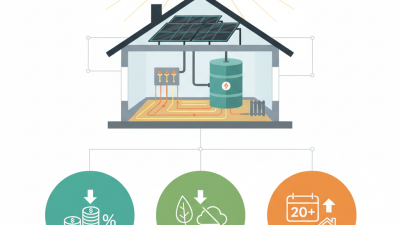
Roof-mounted collectors absorb solar energy through dark surfaces or evacuated tubes. A pump moves heated fluid toward a storage tank. In some compact systems, warm water rises naturally through circulation. A heat exchanger transfers energy safely to household water. The tank then supplies showers, washing machines, and kitchen taps. On a clear summer day, a properly sized collector can provide most hot water needs. Performance changes with roof direction, shade, household demand, and local weather. Cloudy days reduce heat gain, but they do not always stop production. Insulation matters. Poorly insulated pipes can waste heat before it reaches the bathroom.

These systems fit homes, guesthouses, apartments, and light commercial sites with suitable roof or ground space. A family of four may need different storage from a small seasonal cabin. Oversizing can increase cost and stagnation risk, while undersizing leaves the backup heater working too often. Electric or gas backup can cover cold mornings and periods of heavy demand. Good installers check structural loads, water pressure, freeze protection, scaling, and safe temperature control. In hard-water areas, mineral deposits may reduce efficiency inside tanks and collectors. Regular inspection helps, although maintenance is not zero. That detail is easy to overlook. My practical view is cautious: solar hot water works best when design follows real usage, not optimistic sunshine estimates. Some roofs look ideal but become shaded after nearby trees mature. Measure the site across seasons. Otherwise, a promising system may deliver less comfort than expected.

Key Criteria for Comparing Solar Water Heating Systems Worldwide

10 Best Hot Water Solar Systems for Global Buyers?

Key Criteria for Comparing Solar Water Heating Systems Worldwide

Comparing the ten best solar water heating systems requires more than checking collector size. Climate is decisive. Flat-plate collectors suit many sunny regions, while evacuated tubes can perform better during colder periods. Buyers should examine annual sunlight, winter temperatures, wind exposure, and available roof space. A large system is not automatically efficient.

Storage capacity must match household demand and local water pressure. A practical estimate considers residents, bathing habits, and peak morning use. In areas with hard water, corrosion-resistant tanks and replaceable sacrificial components matter. Freeze-prone locations also need reliable circulation protection or an indirect heating loop. These details often separate dependable equipment from disappointing installations.

Independent testing and recognized safety certification provide stronger evidence than sales claims. Check thermal performance, pressure ratings, insulation thickness, warranty conditions, and spare-part access. Local installers should understand roof loading, plumbing codes, and emergency shutoff requirements. Their workmanship affects performance as much as the collector itself. Lifecycle cost deserves attention, including pumps, controllers, cleaning, and eventual tank replacement. A cheap purchase can become expensive.

I would avoid pretending that one design fits every country. Even accurate laboratory ratings may change under dust, cloudy weather, or irregular maintenance. Ask for measured performance in a similar climate. Then compare usable hot-water output, not only advertised efficiency.

Ten Leading Solar Hot Water System Types for Global Buyers

Ten Leading Solar Hot Water System Types for Global Buyers

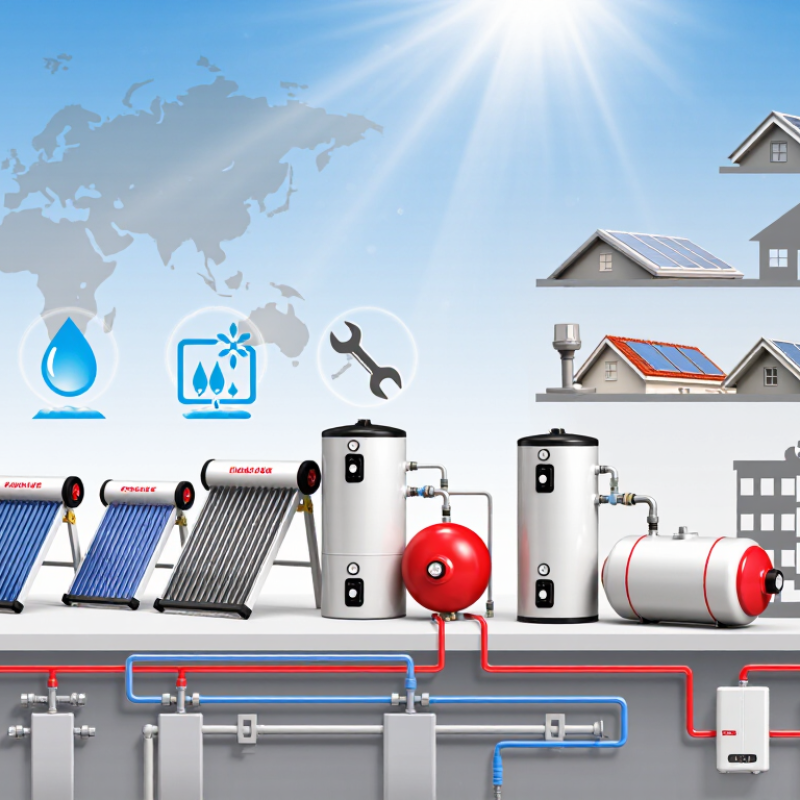
Choosing among solar hot water systems requires more than comparing collector size. Local sunlight, freezing risk, roof strength, water quality, and household demand all matter. The ten leading types include flat-plate collectors, evacuated-tube collectors, unglazed polymer collectors, and integral collector-storage systems. Flat plates suit sunny homes with steady demand, while evacuated tubes perform better in colder or weaker sunlight. Unglazed polymer units work well for warm climates and low-temperature washing. Integral storage designs remain simple, but their outdoor tanks can lose heat overnight.

The remaining options change how water moves and receives protection. Thermosiphon systems use natural circulation and need no circulation pump. Direct active systems send household water through collectors, making them efficient in warm regions. Indirect active systems transfer heat through a separate fluid, offering safer operation during freezing weather. Drainback systems empty exposed pipes after heating, reducing freeze damage. Pressurized glycol systems provide reliable winter protection, but they need expansion control and periodic fluid replacement. Solar-assisted heat pump systems combine solar collection with powered heating when sunlight falls short.

A professional site check should confirm pipe length, tank position, backup heating, and local maintenance access. I have seen oversized systems waste energy through summer stagnation, while undersized systems disappoint during cloudy weeks. Hard water may also clog narrow passages. No design wins everywhere. Even excellent equipment can fail when installers ignore shade, roof loading, or changing family demand. Clear records, certified components, and realistic performance estimates support safer global purchasing decisions.

Installation, Climate, and Maintenance Factors by Region

10 Best Hot Water Solar Systems for Global Buyers?

Choosing a solar hot water system depends more on regional conditions than online rankings. In sunny, dry regions, a direct circulation system can heat water efficiently. Installers should still check roof shade, pipe length, and storage tank weight. Coastal homes need corrosion-resistant fittings and secure mounting. Salt air is unforgiving. In cold climates, an indirect system with freeze protection is usually safer. Insulated pipes must pass through walls without exposed gaps. Local permits and pressure standards also matter, even for small household systems.

Humid and tropical regions create different problems. Strong sunlight helps, but high humidity can damage seals and electrical controls. A qualified technician should inspect roof drainage and ventilation before installation. In cloudy or temperate areas, evacuated-tube collectors may capture useful heat during weaker sunlight. However, they can cost more and need careful handling. A poorly aligned collector wastes energy every day. That mistake is common.

Maintenance needs change by climate and water quality. Hard water can leave mineral deposits inside tanks and valves, reducing heat transfer. Annual inspection should include the pressure relief valve, insulation, pump, and mounting hardware. In freezing regions, technicians should test the heat-transfer fluid before winter. In coastal zones, rinse exposed metal parts and check for early rust. No system is maintenance-free. Even the best design can underperform when users ignore unusual noises, cloudy water, or slow heating. Some recommendations remain imperfect because household demand, roof structure, and local service quality vary widely.

10 Best Hot Water Solar Systems for Global Buyers

Regional installation, climate, and maintenance factors are strongly influenced by available solar radiation, freezing conditions, water quality, and local roof design.

The chart compares representative long-term annual global horizontal irradiation values, rounded in kWh/m²/year, for major buyer regions. Higher solar resources generally support smaller collector areas and shorter heat-up times. Flat-plate systems are commonly suitable in mild climates, while evacuated-tube systems can be advantageous in colder or lower-sun conditions. Freeze-prone locations require indirect glycol circuits or automatic drain-back protection, and hard-water areas benefit from periodic descaling or a heat exchanger. Values are indicative climate averages based on public solar-resource datasets such as NASA POWER and the World Bank Global Solar Atlas.

Costs, Efficiency, Durability, and Buyer Selection Guidance

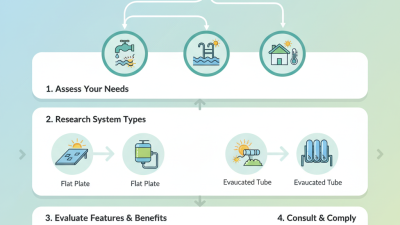
Choosing among the 10 best hot water solar systems requires more than comparing purchase prices. A 200-liter system may suit a three-person household, while a larger family may need 300 liters or more. In many markets, complete installation costs range from about US$1,500 to US$5,000, depending on roof access, local labor, tank design, and backup heating. Actual prices vary widely.

Efficiency depends on sunlight, collector quality, insulation, and daily water use. A south-facing roof works well in many northern regions, while north-facing roofs may perform better in the southern hemisphere. Shading after 10 a.m. can reduce output noticeably. Look for strong insulation, corrosion-resistant fittings, and a temperature-control system. Hard water deserves attention. Mineral buildup can quietly reduce performance.

Durability often matters more than the highest efficiency rating. In cold climates, freeze protection is essential. In coastal areas, salt-resistant materials can extend service life. During site checks, installers should inspect roof strength and pipe distances before quoting. A shorter pipe run usually wastes less heat. My own buying mistake was focusing on collector size while ignoring maintenance access. It made routine cleaning awkward. Ask about replacement parts, service response, warranty conditions, and backup operation during cloudy weeks. A reliable system should still provide hot water when weather changes. Test that claim carefully.

10 Best Hot Water Solar Systems for Global Buyers — Costs, Efficiency, Durability, and Buyer Selection Guidance
No. System Type Typical Capacity Approx. Installed Cost (USD) Typical Solar Fraction Collector Efficiency Expected Service Life Climate Suitability Main Advantages Key Limitations Best Buyer Profile
1 Indirect Forced-Circulation Flat-Plate System 150–300 L storage; 2–5 m² collector area US$3,000–8,000 50–80% 40–70% annual useful efficiency 15–25 years; pumps and controls may require earlier replacement Temperate, subtropical, and sunny cold regions Strong overall performance, good freeze protection, scalable for larger homes Requires electricity, pump maintenance, expansion components, and professional installation Best Overall
Households seeking a balanced system for year-round use
2 Indirect Forced-Circulation Evacuated-Tube System 150–300 L storage; 2–4 m² collector area US$3,500–9,000 55–85% 45–75% annual useful efficiency 15–25 years; tubes are individually replaceable Cold, windy, cloudy, and high-altitude regions Low heat loss, strong winter performance, good output with weak solar radiation Glass tubes are more vulnerable to impact; overheating protection is important Best for Cold Climates
Buyers with long winters or limited roof space
3 Direct Thermosiphon Flat-Plate System 100–250 L integrated tank; 1.5–4 m² collector area US$1,500–4,500 45–75% 40–65% annual useful efficiency 10–20 years Warm and frost-free climates No circulation pump, low operating cost, simple installation, limited controls Cannot normally be used with freezing conditions; rooftop tank adds structural load Best Value
Budget-conscious buyers in warm regions
4 Indirect Thermosiphon Evacuated-Tube System 100–250 L storage; 1.5–3.5 m² collector area US$2,000–5,500 50–80% 45–75% annual useful efficiency 12–20 years; tubes may need periodic replacement Warm, mild, and seasonally cool climates Passive circulation with better insulation and freeze resistance than direct systems Roof-mounted tank weight, pressure-control needs, and tube breakage risk Best Passive Option
Users wanting low electrical dependence
5 Drainback Flat-Plate System 150–300 L storage; 2–5 m² collector area US$3,500–8,500 45–75% 40–70% annual useful efficiency 15–25 years Cold or freeze-prone regions with suitable plumbing layouts Automatic freeze protection, low stagnation risk, no glycol replacement Needs accurate pipe slope, compatible tank positioning, and electrical power for circulation Best for Freeze Protection
Homeowners prioritizing simple winter protection
6 Glycol Closed-Loop Flat-Plate System 150–300 L storage; 2–5 m² collector area US$3,500–9,000 50–80% 40–70% annual useful efficiency 15–25 years; heat-transfer fluid typically serviced every 3–7 years Cold climates where drainback installation is impractical Reliable freeze protection, flexible equipment placement, mature technology Glycol degrades under excessive heat and requires testing or replacement Best Flexible Layout
Homes requiring a remote indoor storage tank
7 Solar Preheating System with Existing Electric or Gas Backup 100–300 L storage; 1.5–5 m² collector area US$2,500–7,000 30–70% 35–70% annual useful efficiency 15–25 years; existing backup heater remains in service Most climates, especially homes with a functioning backup heater Lower upfront cost, dependable hot water during cloudy periods, easy retrofit potential Lower solar contribution than a dedicated high-capacity system Best Retrofit
Households upgrading an existing water-heating installation
8 High-Temperature Evacuated-Tube System with Heat Pipe Collectors 150–300 L storage; 2–4 m² collector area US$4,000–10,000 55–85% 45–80% annual useful efficiency 15–25 years; heat pipes and tubes are replaceable components Cold, high-altitude, and low-irradiance locations High thermal performance, modular tube replacement, strong winter output Higher purchase price and greater need for stagnation and pressure management Best Premium Performance
Buyers valuing winter efficiency over lowest cost
9 Large-Scale Solar Thermal System for Multi-Unit Buildings 500–5,000+ L storage; 10–100+ m² collector area US$20,000–150,000+ 40–75% 40–70% annual useful efficiency 20–30 years with planned maintenance Multi-family housing, hotels, hospitals, and commercial buildings Low hot-water cost per user, central monitoring, strong long-term fuel savings Requires engineering design, structural review, controls, balancing, and maintenance planning Best Commercial Choice
Properties with high and predictable hot-water demand
10 Solar Hot Water System with Integrated Heat Pump Backup 200–500 L storage; 2–6 m² collector area US$6,000–15,000 60–90% 45–75% solar thermal efficiency; backup COP commonly 2.5–4.5 15–25 years for the solar system; heat-pump compressor commonly 10–15 years Variable climates and locations with limited backup-fuel access High annual energy savings, efficient cloudy-weather backup, strong temperature control Highest upfront cost, electrical demand, noise, and more complex servicing Best Energy-Saving Hybrid
Buyers seeking high efficiency with reliable all-weather performance
Buyer notes: Costs are broad 2025–2026 international estimates in US dollars for equipment, standard installation, storage, controls, and typical commissioning; local labor, roof structure, taxes, shipping, permits, and backup-heater requirements can materially change the final price. Solar fraction is the approximate share of annual hot-water energy supplied by the solar system. Actual performance depends on solar resource, collector orientation and tilt, water demand, storage size, insulation, shading, and maintenance. Collector efficiency values are indicative annual useful ranges rather than laboratory peak ratings.