Choosing among the top solar hot water systems in 2026 takes more than comparing collector labels. A roof may face east, a family may shower before sunrise, and winter clouds can change the value of stored heat. The best fit depends on climate, household demand, roof space, water quality, and backup heating. Small details matter.
Solar-thermal researcher Keith Lovegrove’s work supports a practical principle: “Match the collector, storage tank, and local climate as one system.” This is a paraphrase, not a verbatim quotation. It captures why a high-performing collector alone cannot guarantee dependable hot water. Tank size, insulation, controls, and installation quality also shape real-world results.
This guide examines the main system types, including active and passive designs, and explains where each may work well. It also considers upfront cost, maintenance, freeze protection, and expected performance without treating a single model as best for every home. Look for clear test data, credible warranties, and service support in your area. Ask how the system behaves during several cloudy days, not just in ideal sun. That question is easy to miss.
There are trade-offs. A compact roof can limit collector area, while a larger tank needs suitable space and careful installation. Local conditions deserve attention. The comparisons ahead aim to make those choices clearer, while acknowledging that estimates cannot replace a site-specific assessment.
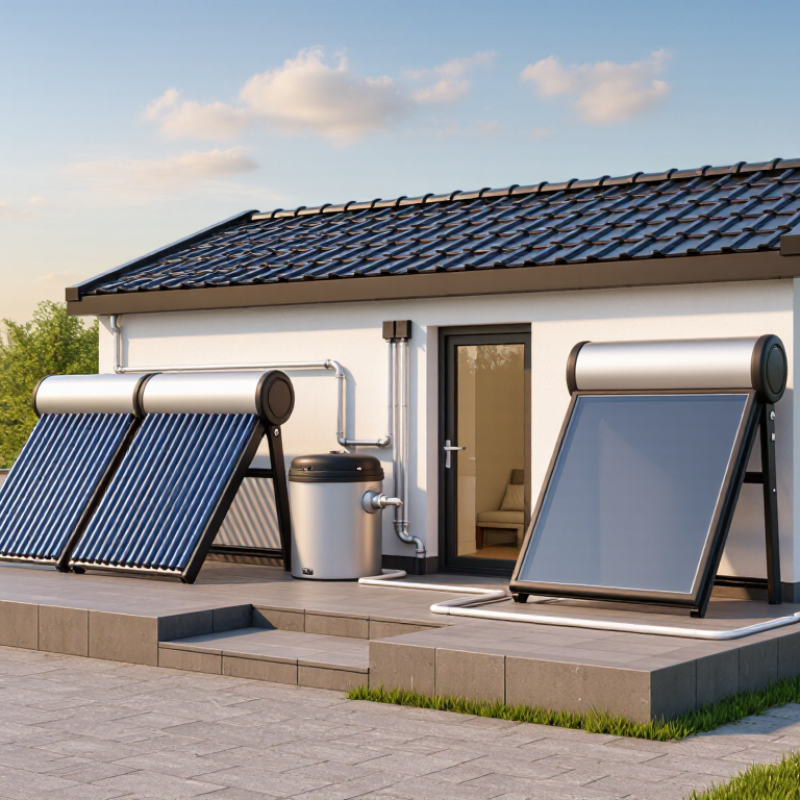
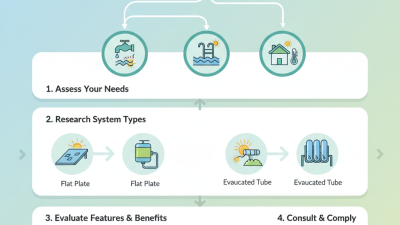
Solar hot water systems capture sunlight and transfer its heat into stored water. Flat-plate collectors suit many sunny climates and use a dark absorber beneath protective glass. Evacuated-tube collectors perform better in colder conditions, although they can cost more and require careful handling. Heat-pump water heaters use electricity to move ambient heat into a tank, making them useful where sunlight is limited.
The best option in 2026 depends on climate, roof space, household size, and backup energy needs. A family of four may need a well-insulated tank near 250 to 300 litres, but daily habits matter more than simple household numbers. Showers at 7 a.m. create a different demand pattern from evening bathing.
Small details matter. A qualified installer should check roof shade, pipe length, water pressure, frost exposure, and structural loading before recommending equipment.
Solar hot water can reduce daytime energy use and lower emissions, especially when collectors heat water directly. Still, no system performs perfectly. Cloudy winter days may require electric or gas backup, and poorly insulated pipes can waste heat before water reaches the tap.
Monitoring the tank temperature for several weeks can reveal disappointing performance that sales estimates overlook. I would also question any forecast promising identical savings every year.
Weather changes, maintenance quality, and household behavior remain difficult to predict. Regular valve checks, collector cleaning, and prompt leak repairs support safer, steadier operation.
What Are the Top Solar Hot Water Systems in 2026?
The main types of solar hot water systems differ by climate, roof design, and household demand. Flat-plate collectors are durable and cost-effective in sunny, moderate climates. Evacuated-tube collectors perform better during colder periods because their vacuum insulation reduces heat loss. However, tubes can be more fragile and costly to replace. REN21’s Renewables 2024 Global Status Report estimated about 560 GWth of solar thermal capacity worldwide by the end of 2023. This shows the technology remains important, despite rapid growth in photovoltaic systems.
Active systems use pumps and controllers to move heated water. They offer better control but need electricity and maintenance. Passive thermosiphon systems use natural circulation. They are simpler, though the storage tank usually sits above the collectors. Direct systems circulate household water through the collectors. Indirect systems use antifreeze or another heat-transfer fluid. Indirect designs suit areas with freezing winters. Solar-assisted heat pump systems are also gaining attention in 2026. They can provide steadier hot water, but their performance depends on electricity prices, insulation, and correct sizing. The IEA Solar Heating and Cooling Programme emphasizes system integration and seasonal performance, not collector efficiency alone. That distinction is often missed.
Tips: Check winter sunlight, roof shading, water hardness, and backup heating needs. Ask for measured solar-fraction estimates, not optimistic promises. A larger collector is not always better. Poor sizing can cause overheating, wasted energy, and disappointing savings. Forecasts look precise. Real roofs are not.
Solar hot water systems are commonly grouped into passive, active direct, active indirect, and integrated collector-storage designs. The chart shows representative midpoints of typical annual solar contributions; actual performance depends on climate, household demand, collector size, orientation, and backup heating.
What Are the Top Solar Hot Water Systems in 2026?
Efficiency depends on more than a collector’s headline rating. Glazed flat-plate collectors suit sunny, moderate climates and usually cost less. Evacuated-tube collectors can perform better in colder weather or limited roof space. The IEA Solar Heating and Cooling Programme reported about 560 GWth of global solar thermal capacity by the end of 2023. Its data also show strong annual heat production, but local results vary sharply with shading, orientation, and water demand.
A useful comparison starts with solar fraction, storage losses, and backup energy. The U.S. Department of Energy estimates that solar water heating can reduce conventional water-heating energy use by 50–80%. That range is not guaranteed. A household using little hot water may recover less value. Energy Saving Trust guidance commonly places collector area near one square metre per person, with storage often around 180–300 litres for a family home. Oversizing can increase stagnation and maintenance problems.
Installation details often decide performance. Check roof loading, pipe length, freeze protection, pump access, and local approval requirements. Split systems need more plumbing, but they keep the storage tank indoors. Integrated systems can simplify installation, although cold climates may demand extra protection. A professional installer should model winter output, not just summer efficiency. I would question any quote based on perfect sunshine assumptions. Real roofs have trees, dust, changing occupancy, and occasionally poor decisions.
The best solar hot water system in 2026 depends on the home, not a universal ranking. IEA SHC’s Solar Heat Worldwide 2024 report recorded more than 560 GWth of solar thermal capacity globally by the end of 2023. That growth reflects practical demand, especially where hot water is used daily.
For sunny, warm regions, a thermosiphon system can suit a small home. Its tank sits above the collectors, reducing pump complexity and maintenance. In colder climates, an indirect closed-loop system is safer. Antifreeze circulates through the roof collectors, while a heat exchanger warms household water. Evacuated-tube collectors can perform better during cold mornings and weak sunlight. They often cost more, though.
Cloudy coastal homes need careful sizing, insulation, and dependable backup heating. A split pumped system can place the tank indoors, protecting it from freezing weather. For apartments, compact electric-assisted systems may be more realistic than rooftop solar thermal units. The U.S. Department of Energy estimates solar water heating can reduce water-heating costs by 50% to 80%, depending on sunlight and design. That figure is useful, but not guaranteed.
A 250-liter tank may serve a small family, while larger households need more storage. Yet oversizing can waste heat during low-use periods. This is where many recommendations fail. Local installers should check roof direction, shading, water hardness, wind exposure, and winter temperatures before specifying equipment. A perfect system does not exist.
In 2026, the best solar hot water system depends on climate, roof layout, and household demand. Active systems use pumps to move heated fluid; indirect models suit areas where pipes may freeze. Passive thermosiphon systems have fewer moving parts and can work well in warm, sunny regions. There is no universal winner. A shaded roof can weaken even a well-designed setup.
Costs vary with collector size, storage tank capacity, roof repairs, and local labor. Ask installers for itemized quotes and estimated backup-heater use, not just projected savings. Incentives may come from local utilities or government programs, but eligibility and funding change. Check current rules before signing, and keep receipts and equipment specifications. Small paperwork details matter.
Maintenance is modest, not zero. A yearly inspection can catch leaks, worn pump parts, damaged insulation, or degraded heat-transfer fluid. In freeze-prone areas, confirm that freeze protection is still working. I would not call these systems maintenance-free. Long-term value depends on fuel prices, household water use, repair costs, and how much sunlight reaches the collectors. A family that uses hot water steadily may see better returns than a lightly occupied home. Payback estimates are useful, but they are estimates; real performance can disappoint when shade, cloudy seasons, or installation quality gets overlooked.
A practical comparison of common solar water-heating system types. Cost figures are approximate U.S. installed-cost planning ranges in 2026 dollars, not contractor quotes.
| System Type | Best Fit | Typical Installed Cost | Potential Water-Heating Savings | Maintenance and Durability | Climate and Site Considerations | 2026 Incentives | Long-Term Value |
|---|---|---|---|---|---|---|---|
| Glazed flat-plate collector with active indirect loop | Homes needing a versatile system, especially where freezing temperatures occur. | $4,000–$8,000 | Solar water heaters can reduce water-heating energy use by roughly 50%–80% in suitable installations; actual results vary. | Check the pump, controller, valves, insulation, and heat-transfer fluid periodically. Service intervals depend on the equipment and fluid condition. | A freeze-protected design can work in cold regions. Roof orientation, shading, and structural suitability affect performance. | U.S. federal residential energy tax credits for new installations placed in service after December 31, 2025, are not available under current federal law. Check state, local, and utility programs. | A balanced choice where a properly designed indirect system can operate year-round and offset conventional water-heating energy. |
| Evacuated-tube collector with active indirect loop | Sites with limited collector area, cooler weather, or less-than-ideal solar conditions. | $5,000–$10,000 | Potential savings are site- and household-dependent; system sizing and hot-water use matter more than collector type alone. | Inspect the pump, controller, seals, piping, and heat-transfer fluid. Individual tubes may be replaceable, depending on the design. | Often performs well in cool conditions, but shading, wind exposure, roof access, and local freeze protection still matter. | Federal residential credits for new qualifying installations after December 31, 2025, are unavailable under current federal law. Local incentives may differ. | Can be valuable where its collector performance suits the site, although higher initial cost and repair access should be considered. |
| Thermosiphon system | Warm, sunny climates and homes where the storage tank can be mounted above the collector. | $3,000–$7,000 | Can provide substantial solar preheating in a suitable climate; savings depend on demand, weather, and backup-heater settings. | Fewer moving parts than pumped systems. Inspect the tank, roof-mounted supports, plumbing, and pressure-relief components. | Generally best in frost-free areas. A roof-mounted tank adds weight and may affect appearance and structural requirements. | Check state, municipal, and utility incentives. Current federal residential credits do not cover new installations after December 31, 2025. | Its simpler circulation can help limit operating complexity where climate and roof structure are appropriate. |
| Integral collector-storage (batch) system | Small households in mild climates seeking a simple arrangement for modest hot-water needs. | $2,000–$5,000 | May reduce backup water-heater use in sunny conditions; performance can be less consistent during cold or cloudy periods. | Typically has no collector pump. Inspect the storage vessel, connections, insulation, and freeze-protection provisions. | Best suited to mild, frost-free climates. The storage tank’s added roof load, heat loss, and exposure to freezing need careful assessment. | Possible state, local, or utility rebates vary by location and eligibility. No current federal residential credit is available for new post-2025 installations. | Lower complexity and cost can be attractive in the right climate, but limited cold-weather suitability may reduce year-round value. |
How to compare costs: Installed prices vary with system capacity, household hot-water demand, roof work, plumbing distance, local labor, backup-heater integration, permits, and freeze protection. Request itemized quotes and compare the same system size and scope.
Incentive note: Incentive rules change and depend on location, equipment, installation date, and eligibility. Confirm current requirements with the relevant tax authority, state energy office, and utility before purchasing.
Long-term value: Ask installers for a site-specific estimate of annual energy savings, expected service needs, warranty coverage, and the cost of replacing the storage tank or other major components.